Video editing is a skill currently in high demand among companies. This trend is inevitable given the rapid growth of the creative digital industry.
The creative digital industry is closely linked to content creation in various forms, and video is currently one of the most popular formats among audiences.
Video editor career path turns raw footage into engaging stories through structured progression from entry-level assistance to creative leadership.
Consequently, the profession of video editor has become highly sought-after. So, what does a career in this field actually look like? Learn how to start a career in video editing and why it’s a great choice.
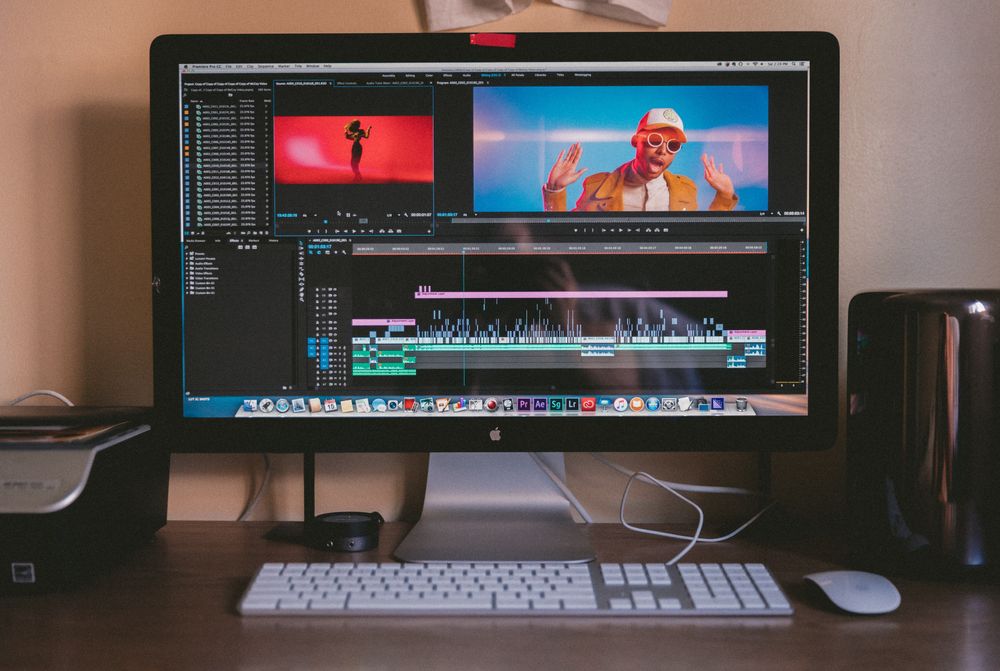
What Is a Video Editor?
A video editor is responsible for gathering and processing available video materials into a single, finished video ready for distribution.
These materials can include raw footage, dialogue, interviews, graphics, and sound effects. The editor plays a pivotal role in the post-production process, ultimately determining the quality of the final product.
According to Career Explorer, the work of a video editor is often described as a “silent art” because their efforts frequently go unnoticed by the audience.
Editors typically work closely with the person who conceived the initial video concept to ensure the final output meets that person’s expectations and objectives.
You might be employed as a full-time staff member at a company or work as a freelance editor, handling various projects without being tied to a single employer.

Video Editor Responsibilities
Here are some of the video editor responsibilities:
- receiving instructions, which usually come in the form of a shot list or a script,
- gathering footage from various sources and organizing it according to instructions,
- selecting the necessary material to process into a complete video based on the brief,
- determining transitions, stylistic touches, color grading, and effects to apply, in line with the established concept,
- ensuring high video and audio quality,
- troubleshooting and providing solutions to address any shortcomings in the available video and audio materials.
What Skills Are Required?
Unlike many other professions, becoming a video editor does not require a specific academic degree to apply for the position. Generally, recruiters place greater weight on a candidate’s skills and portfolio than on their educational background or academic degrees.
Therefore, it is crucial to ensure you possess relevant skills and experience that will benefit the company to which you are applying.
That said, according to prospects.ac.uk, there are specific experiences and backgrounds that recruiters often consider valuable.
Examples include an educational background in communications or the arts, as well as experience in graphic design, multimedia, photography, or the film, media, and television industries.
A video editor must possess the essential skill of operating editing software such as Final Cut Pro, Adobe Premiere Pro, Openshot, iMovie, Vegas Pro, and others.
Proficiency in using the latest editing software can make you a strong candidate.
Beyond technical software skills, a good video editor must also possess the creativity to transform raw material into a compelling final video.
Editors often need to apply creative touches to ensure the video not only meets but exceeds the conceptualizer’s expectations.
Here are some of the skills you should demonstrate when applying for a video editor position:
- attention to detail,
- creativity and a strong interest in film and video,
- patience and a high level of concentration,
- ability to listen to and interpret directions from the team,
- high level of commitment and dedication,
- good time management,
- ability to work under pressure and meet deadlines,
- strong communication skills (both written and verbal).

Video Editor Career Path
Video editors have the potential to work for a wide range of companies, such as animation studios, broadcasters, film production companies, independent film producers, post-production agencies, and video game companies.
Typically, when starting a new job, your work will be guided by the company’s specific instructions and requirements. Over time, you can contribute ideas and concepts to the team and take on the responsibility of managing schedules.
As for freelancers, your career path might begin with small projects that showcase your editing skills.
You can use these small projects to build a portfolio that helps you secure larger opportunities.
While skills and requirements are certainly important for recruiters to consider, the key to standing out as a candidate is having solid experience and a strong portfolio.